Why Commercial Insect Control Is Different From Residential Pest Control
Commercial insect control involves specialized treatments to address unique pest challenges in business settings, with local service providers equipped to handle these distinct needs effectively.
Understanding why commercial insect control is different from residential pest control can help property owners make informed decisions about managing pests effectively. Commercial environments often face unique challenges, such as higher foot traffic, larger spaces, and stricter regulations, which require specialized strategies and treatments. Property owners in the area who are responsible for businesses, warehouses, or multi-unit buildings may find that local contractors offer tailored solutions designed to meet these specific needs, ensuring pests are managed efficiently without disrupting daily operations.
For those exploring pest control options, recognizing the distinctions between commercial and residential services highlights the importance of working with experienced local contractors who understand the complexities of commercial insect management. These professionals can provide insights into how treatment approaches differ, what to expect during service, and how to maintain a pest-free environment over time. Continuing to read can help property owners discover practical reasons to rely on experts who are equipped to handle the unique demands of commercial insect control.
- Commercial insect control - needed when businesses face persistent pest issues that require tailored treatment plans and ongoing monitoring by service providers.
- Food processing facilities - require specialized pest management approaches to meet sanitation standards, handled by local contractors with industry-specific expertise.
- Warehouses and distribution centers - often need comprehensive insect control solutions that address large spaces and high pest activity, managed by experienced service providers.
- Healthcare facilities - demand discreet and precise pest control methods to prevent contamination, with local pros implementing strict protocols.
- Hospitality venues - require regular insect management to ensure guest safety and comfort, with service providers customizing treatments for commercial environments.
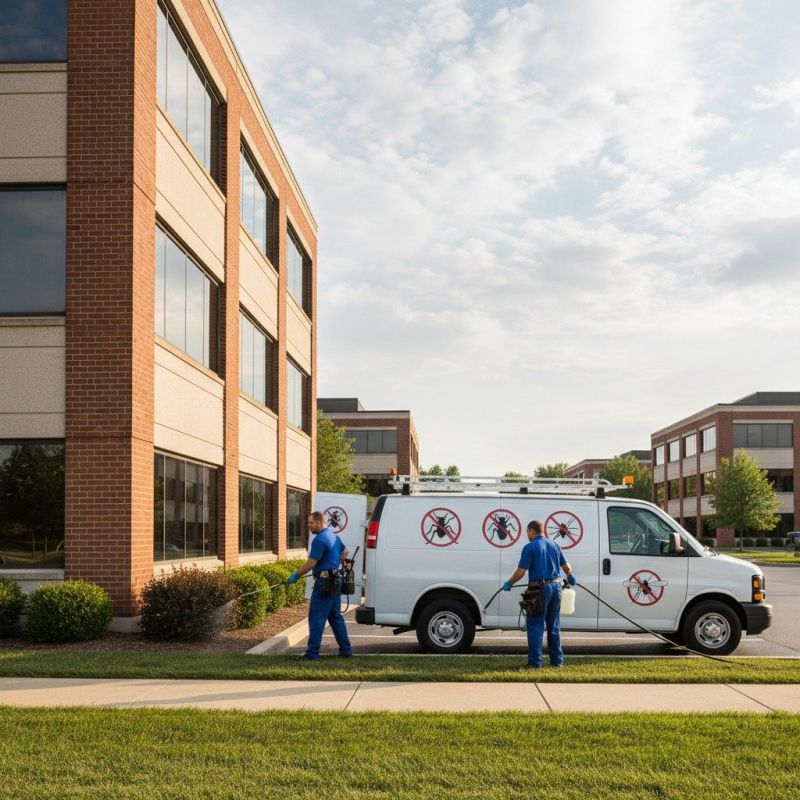
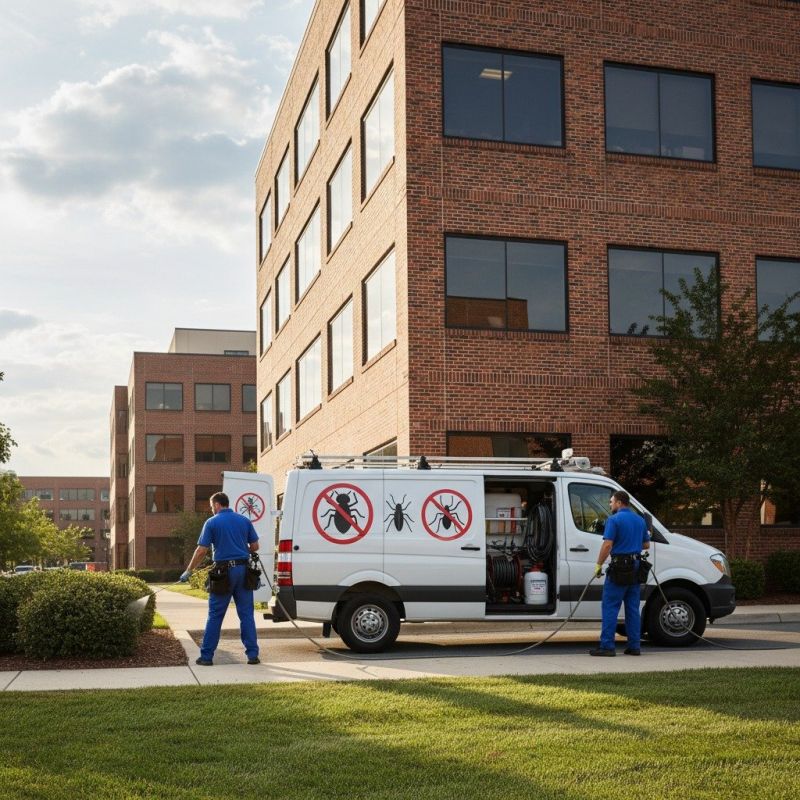
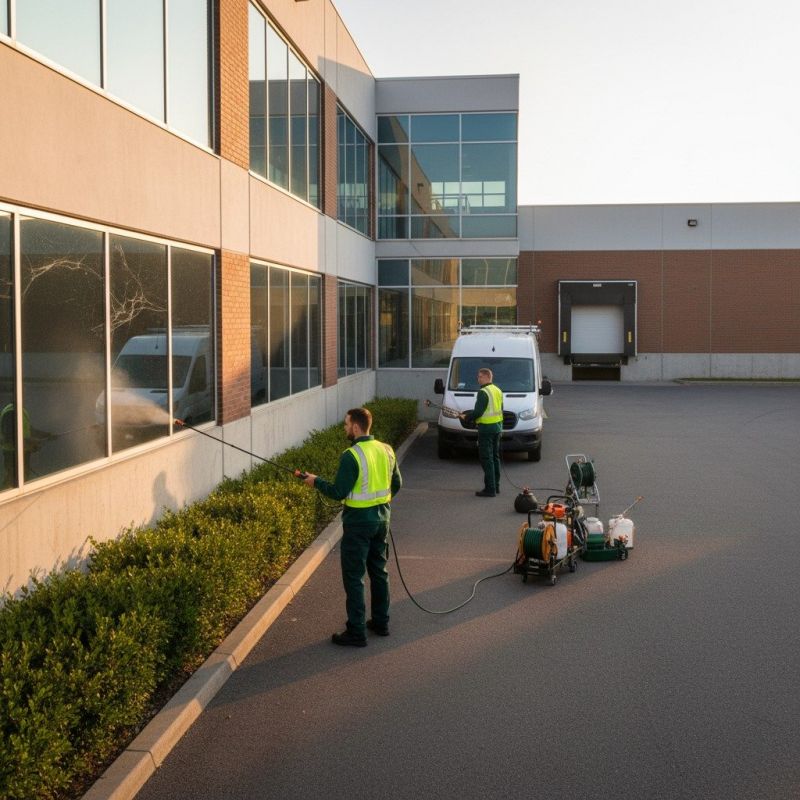
People searching for why commercial insect control is different from residential pest control often want to understand how pest management strategies vary based on property type. Residential pest control typically focuses on protecting homes and living spaces from common pests like ants, roaches, and spiders. In contrast, commercial insect control involves managing pests in business environments, which may include restaurants, warehouses, offices, or retail stores. The goal for commercial properties is to prevent infestations that could disrupt operations, damage inventory, or harm reputation. Understanding these differences helps property owners recognize the importance of specialized approaches tailored to the unique needs of commercial spaces.
The problems addressed by commercial insect control are often more complex and urgent than those faced in residential settings. Commercial spaces frequently have larger footprints, higher foot traffic, and specific regulatory requirements that demand a different level of attention. For example, food service establishments need strict pest control to meet health standards, while manufacturing facilities require ongoing monitoring to prevent pests from contaminating products. The plans developed by local service providers are designed to target pests efficiently, minimize disruption to daily operations, and ensure compliance with industry regulations. This often involves more frequent inspections, targeted treatments, and integrated pest management strategies that are customized for commercial environments.
Types of properties that typically come up in discussions about commercial insect control include retail stores, restaurants, office buildings, warehouses, and manufacturing plants. These properties tend to have larger areas and diverse layouts that can harbor different pest problems. For instance, a restaurant might need regular treatment to prevent flies and cockroaches, while a warehouse could be more concerned with stored product pests like beetles or moths. Each type of property presents unique challenges that require service providers to adapt their techniques and treatment plans. Local contractors specializing in commercial insect control are equipped to handle these varied property types, offering solutions that address the specific risks associated with each setting.
Understanding why commercial insect control is different from residential pest control helps property owners see the value of engaging experienced service providers who focus on these distinct needs. Commercial properties often require a more strategic, ongoing approach to pest management that considers the nature of the business, the layout of the space, and regulatory standards. Local service providers can assess these factors and develop tailored plans to effectively manage pest issues. For homeowners or business owners exploring pest control options, recognizing these differences highlights the importance of working with specialists who understand the complexities of commercial environments and can deliver targeted, reliable solutions.
Food Processing Facility Projects - these require specialized pest management plans and equipment similar to commercial insect control to meet strict hygiene standards.
Warehouse Pest Management - managing pests in large storage spaces involves planning and tools comparable to those used in commercial insect control for effective coverage.
Hospital and Healthcare Facility Pest Services - these projects demand precise and sanitary pest control methods akin to commercial insect control to ensure safety and compliance.
Hospitality Industry Pest Solutions - hotels and restaurants need targeted pest management strategies similar to commercial insect control to protect their reputation and guest safety.
Industrial Facility Pest Control - large-scale industrial sites require planning and equipment comparable to commercial insect control to handle complex pest issues.
Food Retail Store Pest Management - maintaining pest-free environments in retail settings involves skills and tools similar to those used in commercial insect control services.
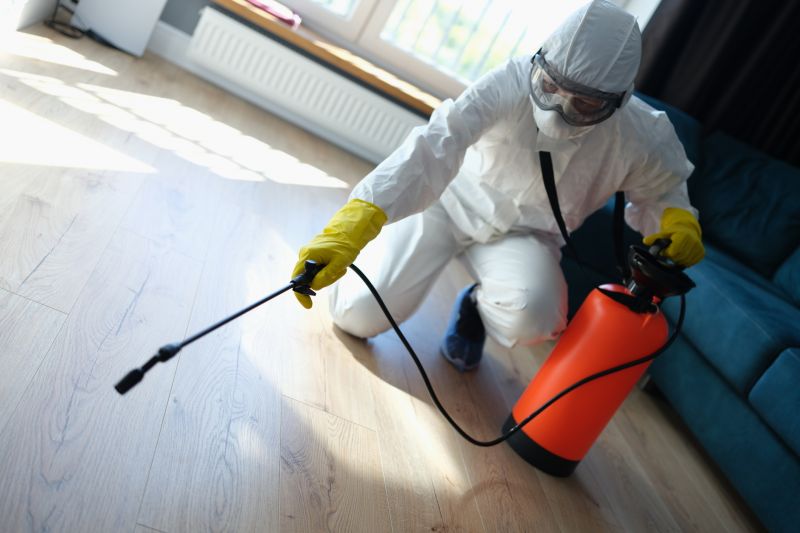
When evaluating service providers for commercial insect control, it is important to consider their experience with similar projects. Commercial settings often present unique challenges compared to residential properties, such as larger areas, higher foot traffic, and different types of pests. Local contractors who have a proven track record handling commercial insect control can better understand these specific needs and offer solutions tailored to the environment. Asking about their past work with businesses in the same industry or of comparable size can provide insight into their familiarity with the complexities involved in commercial pest management.
Clear written expectations are essential when selecting a service provider for commercial insect control. Since the scope of work can vary significantly from residential to commercial projects, reputable contractors should be able to outline the services they will provide, the methods they will use, and the expected outcomes in a detailed and understandable manner. Having this information in writing helps ensure that both parties are aligned on what the service includes and prevents misunderstandings. It also provides a reference point for evaluating whether the contractor’s approach aligns with the specific needs of the commercial space.
Reputable references and effective communication are key factors to consider when comparing local contractors. Service providers with positive references from other commercial clients demonstrate their ability to deliver consistent results and maintain professional relationships. Good communication is equally important, as it ensures that any questions or concerns are addressed promptly and clearly. Contractors who are transparent and responsive can better coordinate pest management strategies, especially in busy commercial environments where disruption needs to be minimized. Collecting references and gauging communication style can help in choosing a partner capable of managing the unique demands of commercial insect control effectively.
Property owners often search for why commercial insect control is different from residential pest control when they are planning practical projects around their homes and businesses. Local pros provide Commercial Insect Control services for everyday jobs and straightforward project options.
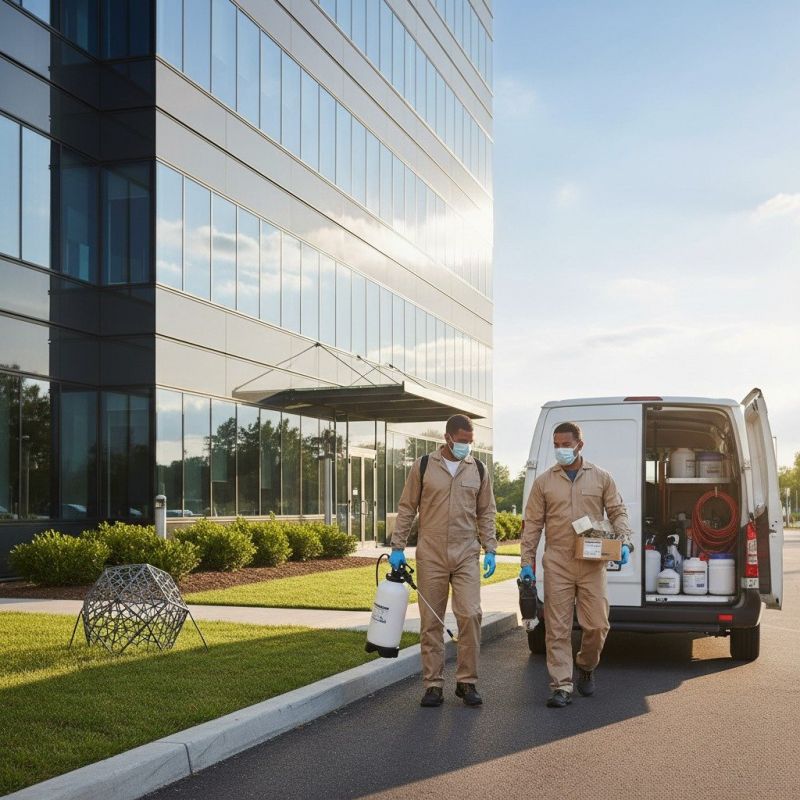
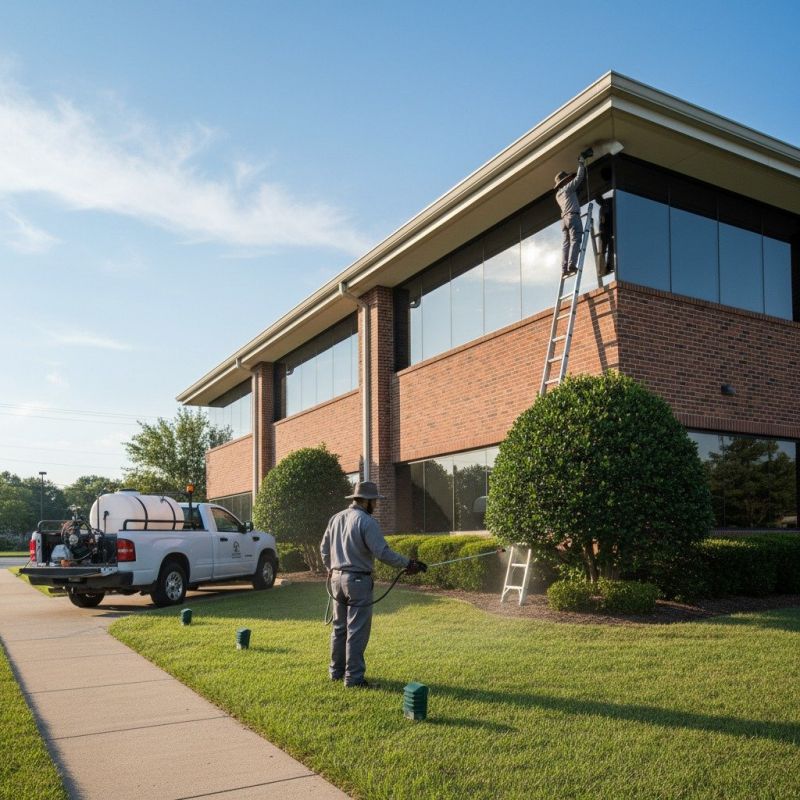
Understanding why commercial insect control is different from residential pest control helps property owners recognize the unique challenges faced in business environments. Commercial spaces often have larger areas, higher foot traffic, and specific regulations that require tailored approaches to pest management. Local contractors experienced in commercial insect control are familiar with these factors and can implement strategies that address the particular needs of offices, restaurants, warehouses, or retail stores, ensuring pests are managed effectively without disrupting daily operations.
Property owners in the area might seek out commercial insect control services when they notice signs of infestations that seem more complex than typical household issues or when they need ongoing prevention measures. Businesses often require more comprehensive treatments to prevent pests from spreading or causing damage, making it important to work with service providers who understand the scale and scope of commercial pest management. Local contractors specializing in this field can provide the expertise necessary to protect commercial properties and maintain a pest-free environment.
How does commercial insect control differ from residential pest control? Commercial insect control services are tailored to meet the specific needs of business environments, often requiring more extensive treatments and ongoing monitoring compared to residential pest control.
Why are treatment methods different for commercial properties? Commercial properties may have larger spaces, different building structures, and higher pest risks, prompting local contractors to use specialized equipment and strategies suited for business settings.
What types of pests are typically targeted in commercial insect control? Commercial insect control often addresses pests that can impact operations or hygiene standards, such as stored product pests, flies, or cockroaches, with methods adapted to these specific threats.
How do local service providers handle the scale of commercial insect control? Local contractors implement integrated pest management plans that account for larger areas and higher pest pressures, ensuring effective coverage and compliance with industry standards.
Are treatments in commercial insect control more frequent than in residential services? Yes, commercial pest control often involves more regular visits and monitoring to prevent infestations and maintain health and safety standards in business environments.
Understanding pest types - Commercial insect control often involves managing a wider variety of pests specific to business environments, requiring tailored strategies from local contractors.
Facility-specific treatments - Implementing pest control solutions that address the unique layout and use of commercial spaces helps prevent infestations effectively.
Regulatory compliance - Commercial properties may need pest control methods that adhere to industry regulations, which local service providers can ensure are met.
Ongoing prevention plans - Developing long-term pest management plans for commercial sites can help maintain a pest-free environment through regular inspections and targeted treatments.
If you are thinking about why commercial insect control is different from residential pest control for a property, this guide is meant to help you understand this topic, the typical project types, and how different options might fit your plans.
When you are ready, you can use the quote form on this page to share a few details about your project. From there, local pros can review the basics and follow up with options that match what you have in mind.