Preventing Spring Bug and Insect Infestations
To prevent spring bug and insect infestations, local contractors can help identify vulnerabilities and implement effective barriers to keep pests out of your home.
As spring approaches, many property owners begin to notice an increase in bugs and insects seeking shelter and food around their homes. Preventing spring bug and insect infestations is essential for maintaining a comfortable and healthy living environment. Whether you’re dealing with ants, mosquitoes, or other common pests, understanding effective strategies can make a significant difference. Local contractors specializing in pest prevention can provide tailored solutions that help keep unwanted critters at bay, ensuring your property remains a safe and enjoyable space throughout the season.
Exploring ways to prevent spring bug and insect issues is a practical step for homeowners looking to reduce the need for invasive treatments or repairs later on. From sealing entry points to managing yard conditions, there are many proactive measures that can be taken. Connecting with experienced service providers in the area can offer expert advice and assistance in implementing these solutions. Keep reading to discover key tips and how local professionals can support a pest-free spring and beyond.
- Insect prevention - homeowners planning for spring should consider insect prevention services to reduce the risk of infestations, with local contractors implementing targeted barrier treatments.
- Spring bug control - when preparing for warmer weather, local service providers can apply early-season treatments to keep bugs from establishing nests around the property.
- Mosquito barrier installation - as mosquito activity increases in spring, local pros can set up barriers and treatments to minimize mosquito breeding sites and bites.
- Pest proofing - property owners seeking to prevent spring bug and insect infestations can work with local contractors to seal entry points and create pest-resistant environments.
- Insect habitat elimination - in early spring, local service providers can identify and remove potential insect habitats to help prevent infestations before they start.
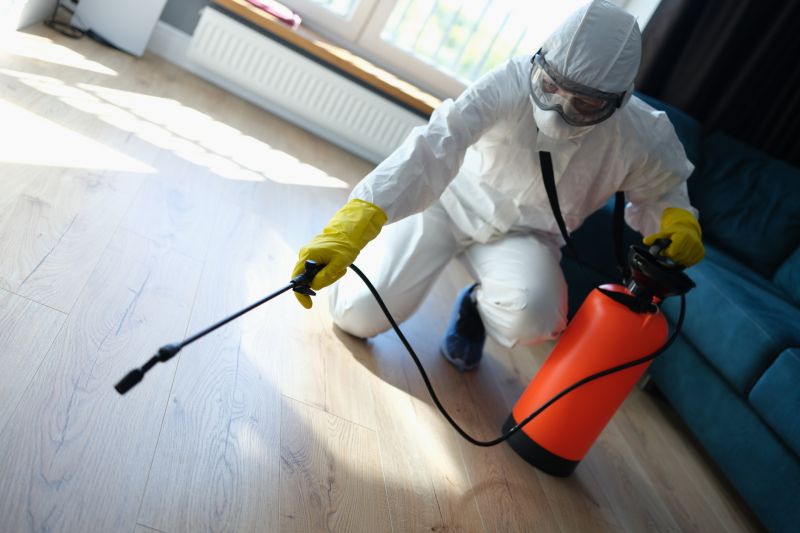


When people search for preventing spring bug and insect infestations, they are often looking for ways to keep their homes and properties free from unwanted pests that become active as the weather warms. This concern typically arises during the transition from winter to spring when insects such as ants, mosquitoes, flies, termites, and wasps begin to emerge and seek shelter. Homeowners want practical strategies to reduce the likelihood of these pests invading living spaces, especially since spring is a peak time for insect activity. The focus is usually on proactive measures that can be implemented before infestations become problematic, helping to protect both indoor comfort and property integrity.
Preventing spring bug and insect infestations relates to a range of problems and planning efforts. Many property owners are interested in identifying and eliminating potential entry points around their homes, such as gaps, cracks, or openings in foundations, windows, and doors. They may also want to address conditions that attract insects, like standing water, debris, or overgrown vegetation. Planning for pest prevention often involves a combination of exterior treatments, sealing vulnerabilities, and ongoing maintenance to discourage pests from establishing colonies. Local service providers can assist with tailored solutions that align with the specific needs of each property, whether it's a residential home, a multi-family building, or a commercial property.
The types of properties that typically come up in discussions about preventing spring bug and insect infestations include single-family homes, apartment complexes, and small commercial buildings. Residential properties are often the primary focus, as homeowners seek to protect their living spaces from seasonal pests. However, multi-unit dwellings and commercial establishments also face similar challenges, especially those with landscaping or outdoor areas that can harbor insects. These properties usually require integrated pest prevention plans that combine exterior barrier treatments, landscaping adjustments, and structural repairs. Local contractors who specialize in pest prevention are equipped to handle these various property types, offering customized approaches based on the layout and usage of each site.
For homeowners and property managers, connecting with local pros who specialize in insect and pest prevention can be a key step toward effective springtime pest control. These service providers bring expertise in identifying common pest vulnerabilities and implementing targeted measures to prevent infestations. They can evaluate the property’s exterior, recommend sealing strategies, and apply barrier treatments to reduce pest entry points. By working with experienced local contractors, property owners can develop a proactive plan that minimizes pest activity during the spring months and helps maintain a pest-free environment throughout the season. Proper prevention efforts are a practical way to protect property value and ensure comfort during the warmer months.
Pest control treatments - professionals who specialize in targeted pest control can help prevent spring bug and insect infestations through effective application methods and strategic planning.
Home sealing projects - local contractors skilled in sealing cracks and gaps can reduce entry points for insects, supporting prevention efforts during peak bug seasons.
Landscaping and yard maintenance - maintaining yards and outdoor spaces can eliminate habitats for insects, with local pros providing services that complement infestation prevention.
Drain and gutter cleaning - clearing debris from drains and gutters helps eliminate breeding sites for pests, with service providers offering routine maintenance options.
Moisture control services - managing excess moisture around properties is crucial for pest prevention, and local contractors can implement effective drainage solutions.
Structural repair projects - fixing damaged siding, screens, and foundations can prevent insect entry, with local pros capable of addressing these vulnerabilities efficiently.

When evaluating service providers for preventing spring bug and insect infestations, it’s important to consider their experience with similar projects. Homeowners should inquire about how long a contractor has been working on pest prevention and whether they have a track record of successfully handling infestations in homes comparable to their own. A contractor with relevant experience is more likely to understand the specific challenges that can arise during seasonal pest prevention and to implement effective strategies tailored to local conditions. This background can provide added confidence that the chosen professional understands the nuances of insect behavior and the best practices for keeping a home protected during peak pest season.
Clear, written expectations are essential when selecting a local contractor for insect prevention services. Homeowners should seek detailed descriptions of the scope of work, including the specific treatments or preventative measures that will be used, as well as any preparations required beforehand. Having this information in writing helps ensure everyone is aligned on what will be done and can prevent misunderstandings or surprises later on. It also provides a reference point for evaluating the quality of service, making it easier to determine if the work meets the homeowner’s needs and whether the contractor’s approach aligns with best practices for preventing spring bug and insect infestations.
Reputable references and strong communication are key indicators of a reliable service provider. Homeowners are encouraged to ask for references from past clients who have had similar insect prevention services performed, as this can offer insights into the contractor’s professionalism and effectiveness. Good communication throughout the process-such as prompt responses to questions, clear explanations of procedures, and updates on progress-helps build trust and ensures that the homeowner remains informed and comfortable with the ongoing work. Choosing a local contractor who demonstrates transparency and attentiveness can make the experience of preventing spring bug and insect infestations more straightforward and successful.
Property owners often search for preventing spring bug and insect infestations when they are planning practical projects around their homes and businesses. Local pros provide Bug and Insect Infestation Prevention services for everyday jobs and straightforward project options.
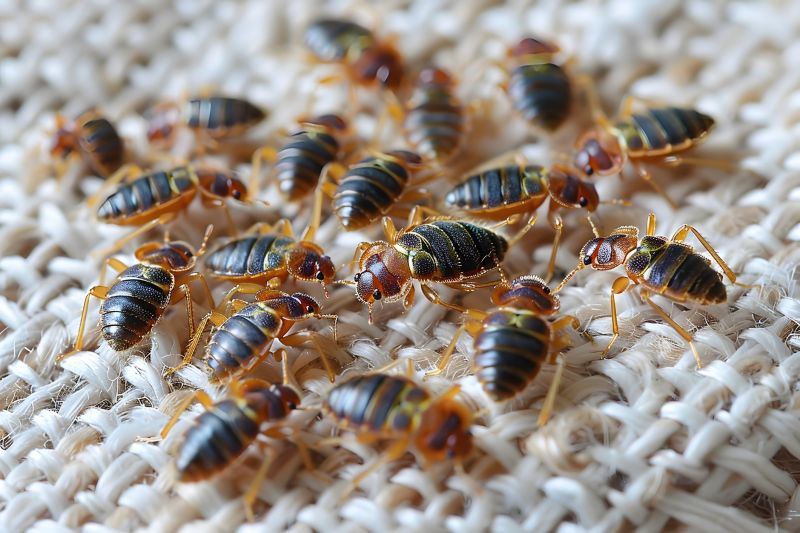

As spring approaches, many property owners start considering ways to prevent bug and insect infestations that tend to emerge with the warmer weather. Simple projects like sealing cracks and gaps around windows and doors, removing standing water, and maintaining tidy yards can significantly reduce the likelihood of pests taking hold. Homeowners often seek out local contractors who specialize in pest prevention services to help implement these basic measures effectively, ensuring their homes stay comfortable and pest-free throughout the season.
Additionally, professional pest prevention services can assist with more comprehensive solutions, such as applying protective barriers or treating potential entry points that might be overlooked during routine maintenance. Local service providers understand the unique challenges of the area and can tailor their approaches to prevent spring bug and insect infestations efficiently. Property owners looking to safeguard their homes from seasonal pests often consider connecting with these experienced contractors for reliable, effective prevention strategies.
What are effective ways to prevent spring bug and insect infestations? Local contractors recommend sealing entry points, removing standing water, and maintaining yard cleanliness to reduce attractants for insects and prevent infestations during spring.
How can I prepare my home to avoid insect problems in spring? Service providers suggest trimming vegetation away from the house, fixing cracks and gaps, and applying barrier treatments to help keep bugs out as temperatures rise.
Are there specific treatments to prevent spring insect infestations? Yes, many local pros offer barrier sprays and targeted treatments designed to create a protective zone around the property, reducing the likelihood of bugs entering the home.
What maintenance steps can reduce the risk of spring bug and insect issues? Regular yard maintenance, such as mowing, raking leaves, and removing debris, can eliminate hiding spots and breeding grounds for insects, as recommended by local service providers.
How do local pros help in preventing spring bug and insect infestations? They assess property vulnerabilities, recommend customized prevention strategies, and apply treatments to help minimize the chances of bugs and insects invading during spring.
Seal Entry Points - Identifying and sealing gaps around windows, doors, and vents can prevent insects from entering the property, and local contractors can assist with effective sealing solutions.
Remove Attractants - Clearing debris, standing water, and clutter around the property reduces insect breeding sites, with local pros offering guidance on proper cleanup.
Maintain Landscaping - Trimming bushes and grass away from the building minimizes hiding spots for bugs, and service providers can help establish ongoing landscape management.
Apply Preventive Treatments - Professional pest control treatments can create a barrier against spring insects, with local service providers offering tailored prevention plans.
If you are thinking about preventing spring bug and insect infestations for a property, this guide is meant to help you understand this topic, the typical project types, and how different options might fit your plans.
When you are ready, you can use the quote form on this page to share a few details about your project. From there, local pros can review the basics and follow up with options that match what you have in mind.